 Iain Lovecraft3D PRINTABLE · STL
High-quality worlds, ready to print.
Vikings • Pirates • Samurai • Medieval • Edo Japan
Ships • Buildings & More
Support-Free
No scaffolding to cut. Hit print and walk away.
Pre-Supported
Resin minis arrive print-ready, supports placed by hand.
Instant Download
Files land in your account the moment you order.
Battle-Tested
Every model test-printed on real hobby machines.
Whole sagas in a single download.
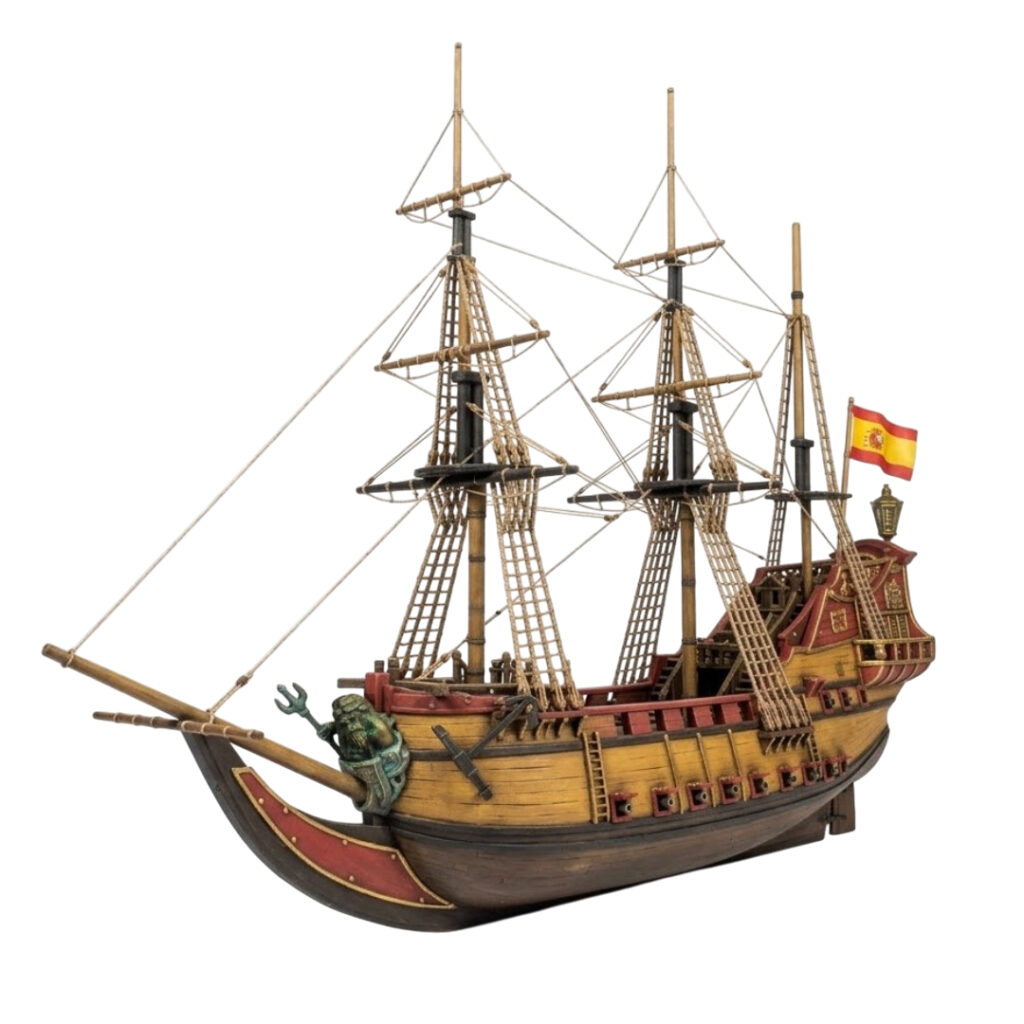
Rum and Razing
The complete pirate haul — galleons, port terrain and a crew of scoundrels, all in one set.
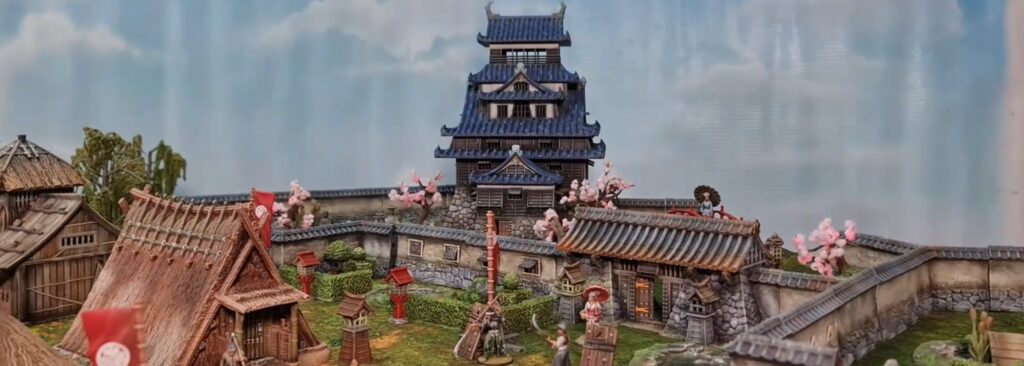
Nippon Saga 2 — All In
Every warship, walled town, farmhouse and warrior of feudal Japan in a single Edo-period collection.
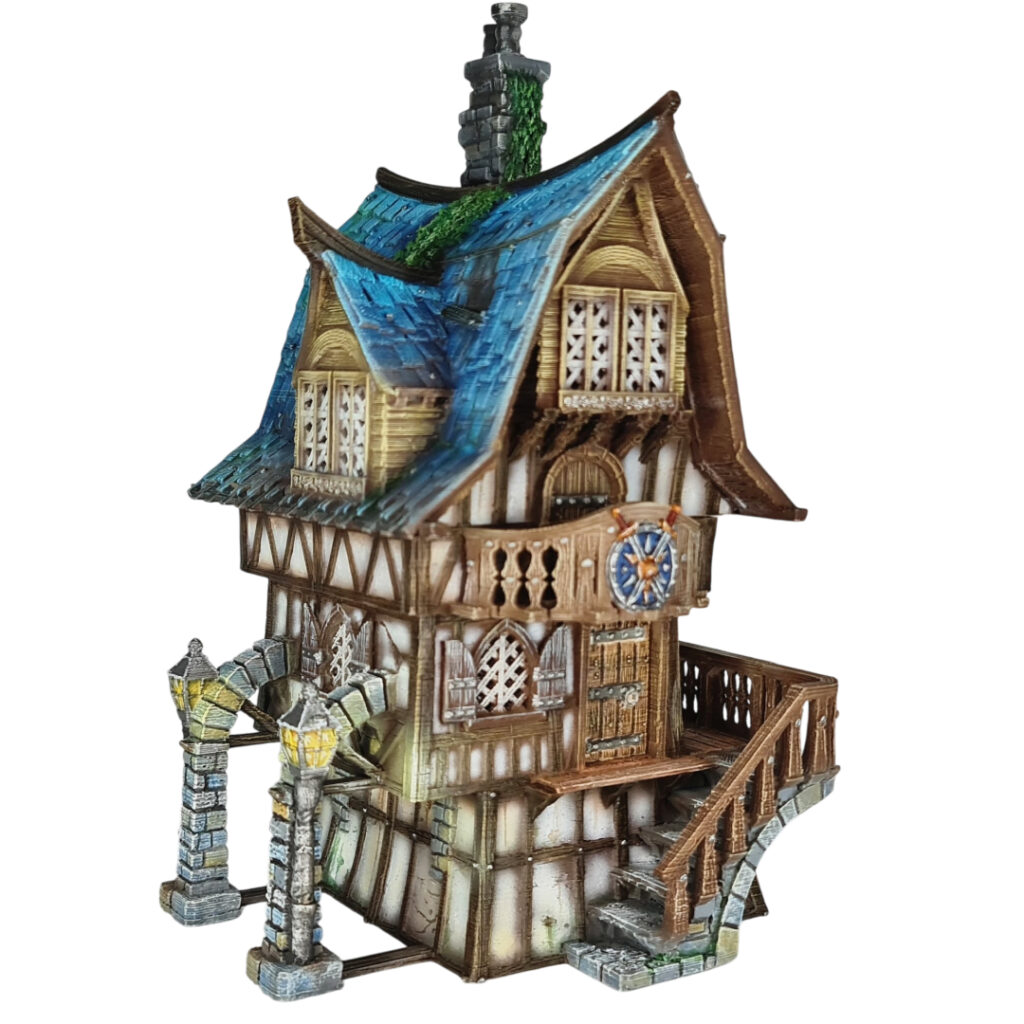
The Frost 2 — All In
A frostbound medieval realm of towers, lodges and snowbound streets, complete and ready to print.
Six worlds, catalogued and ready to print.
Golden Age of Pirates
37 designs →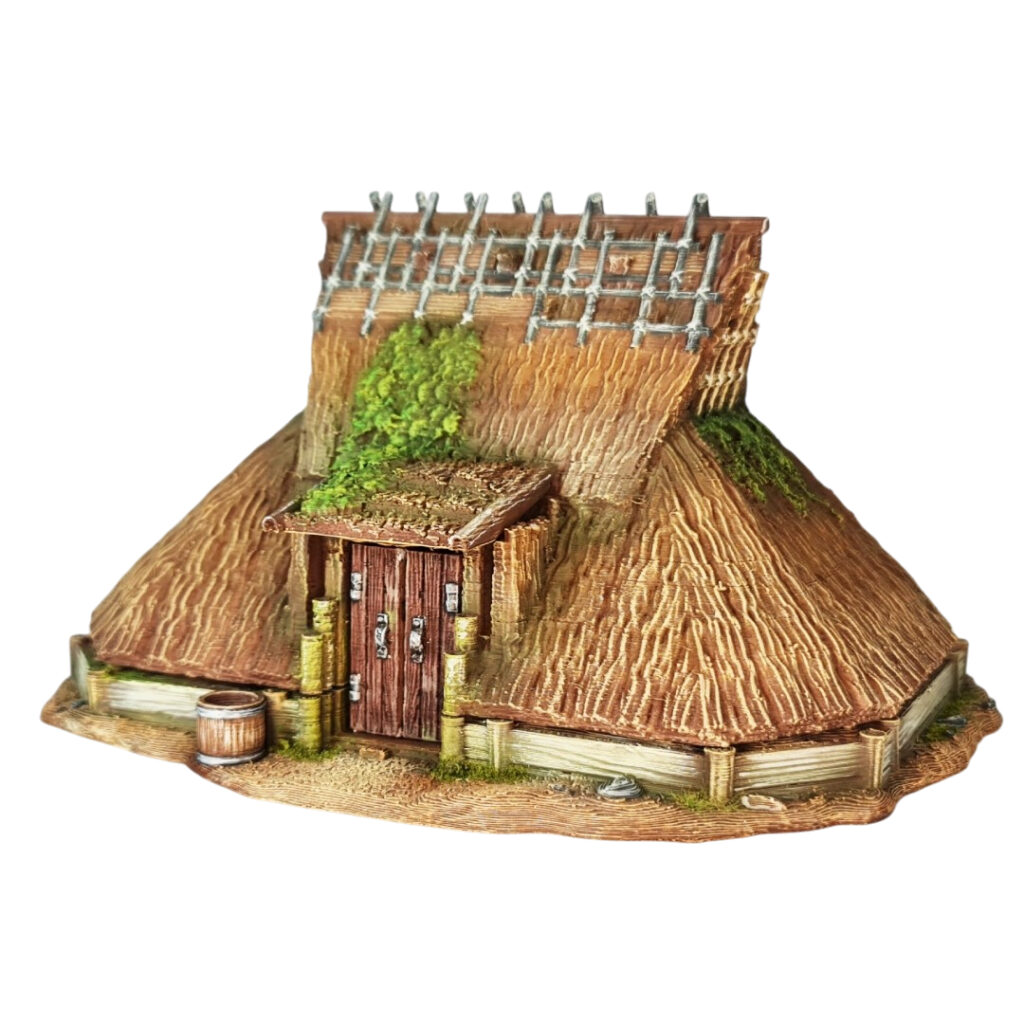
Japanese Edo Period
26 designs →Historic Fantasy
31 designs →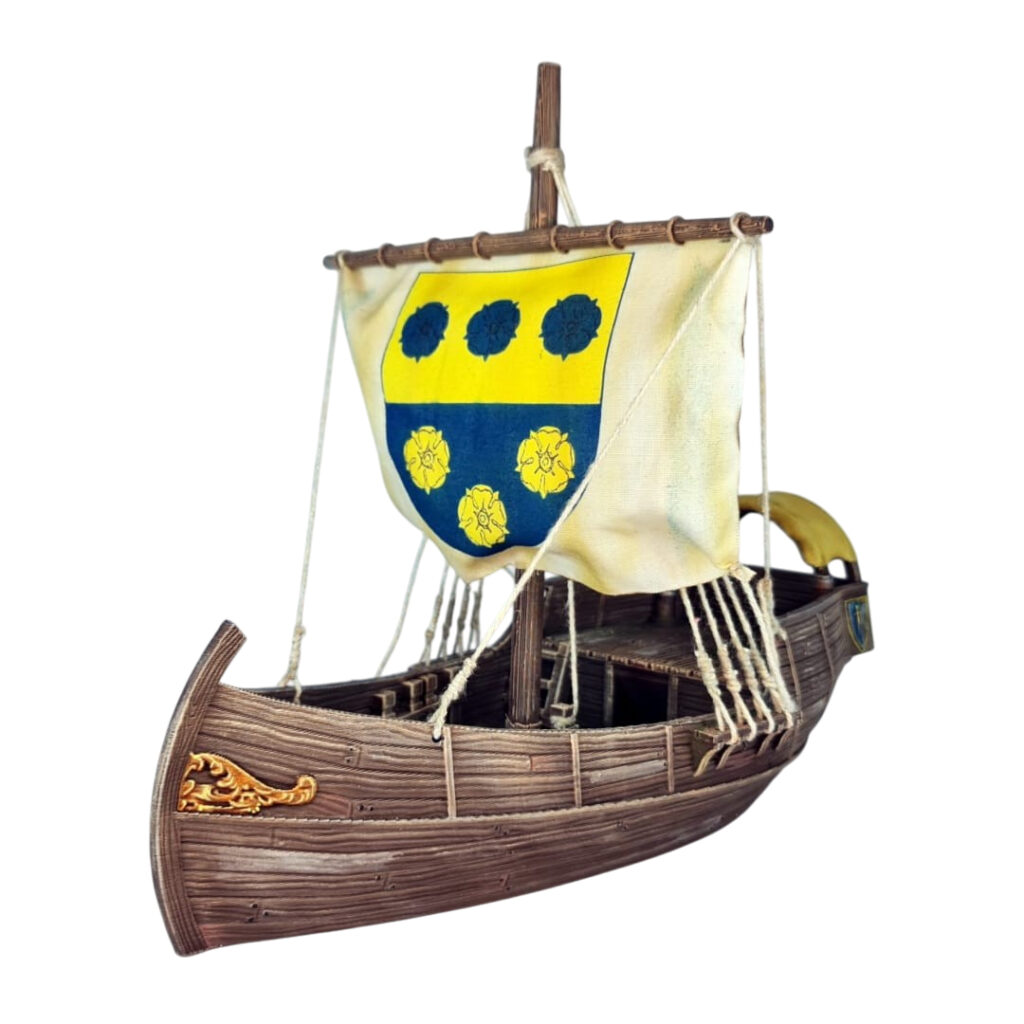
Golden Age of Venice
14 designs →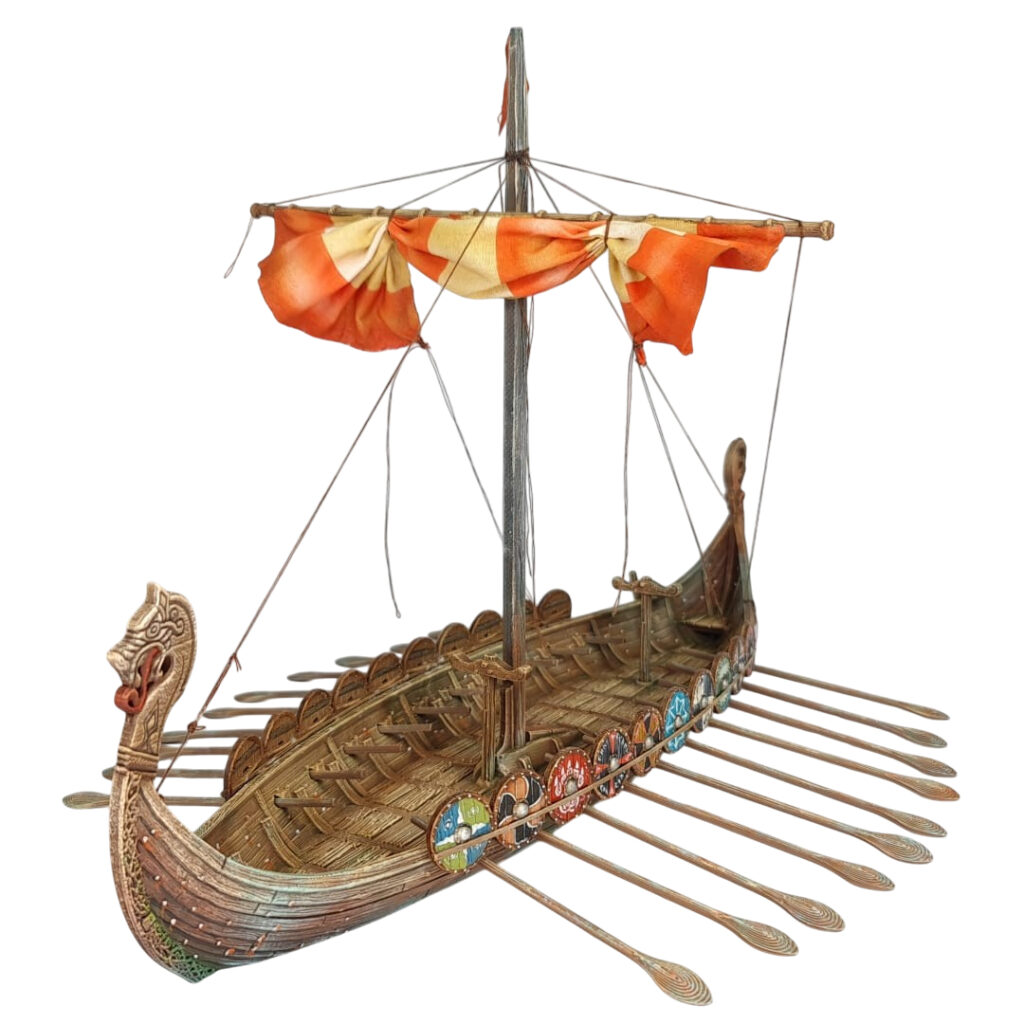
Viking Age
9 designs →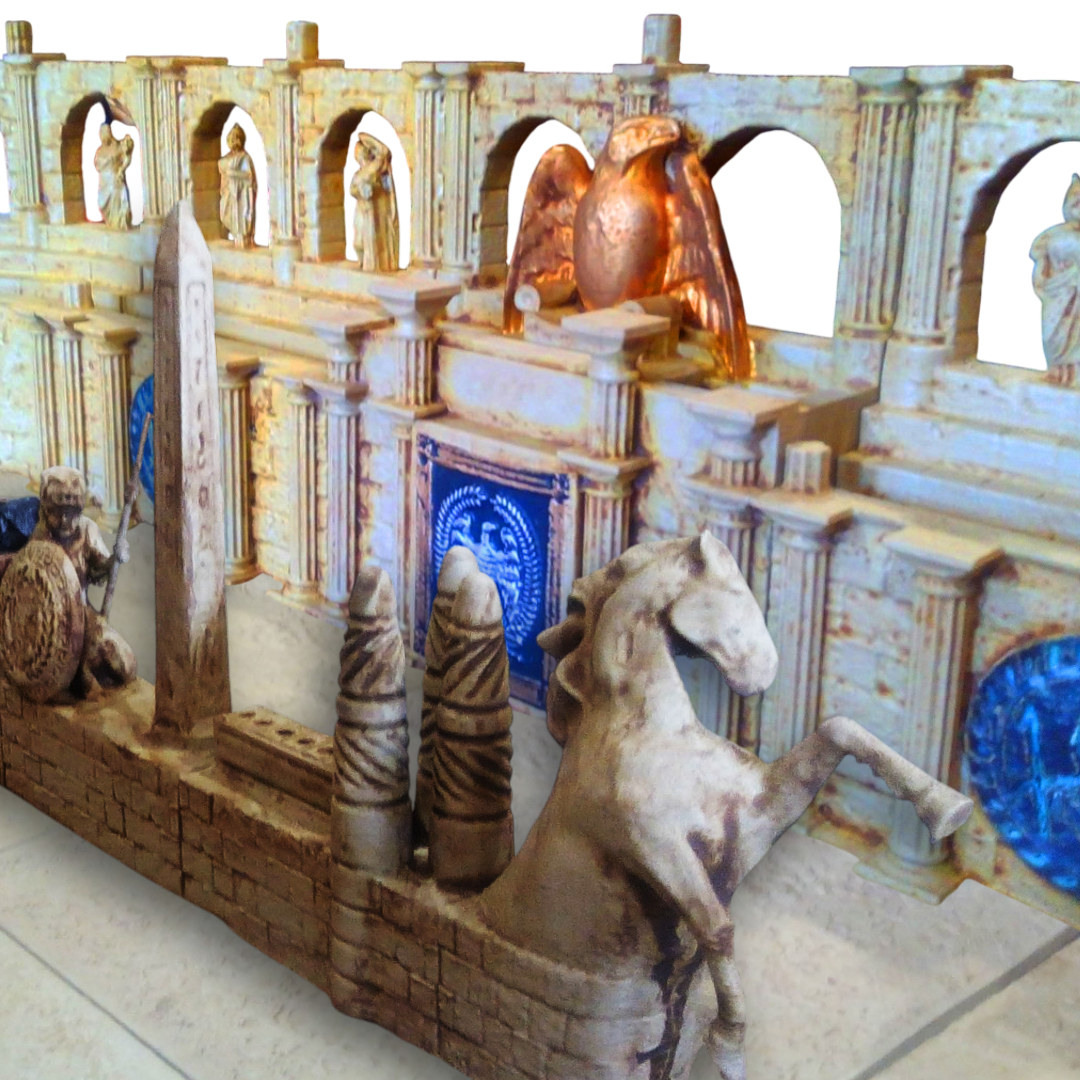
Early Imperial Rome
4 designs →Commercial Licenses
Print & sell · for makers & businesses
Pirate Age
Queen Anne’s Revenge Galleon
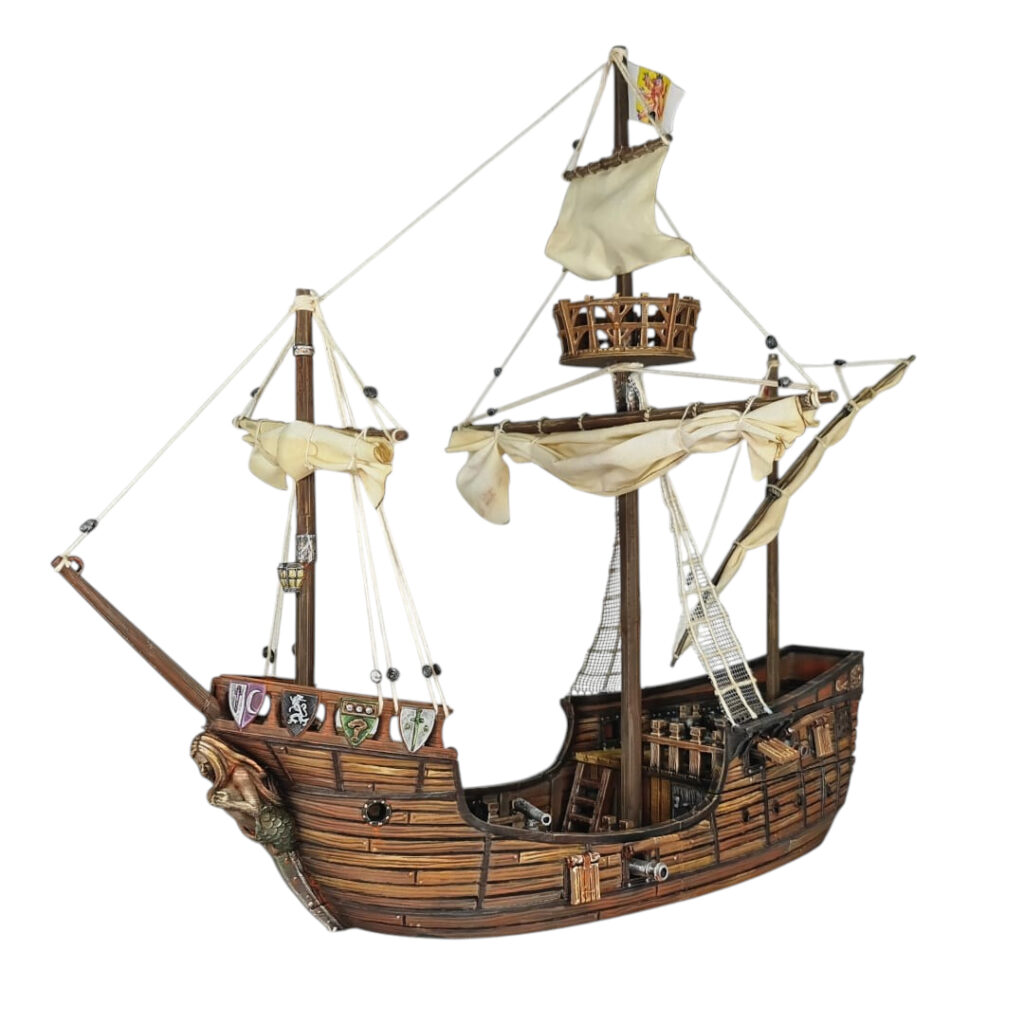
Caravel
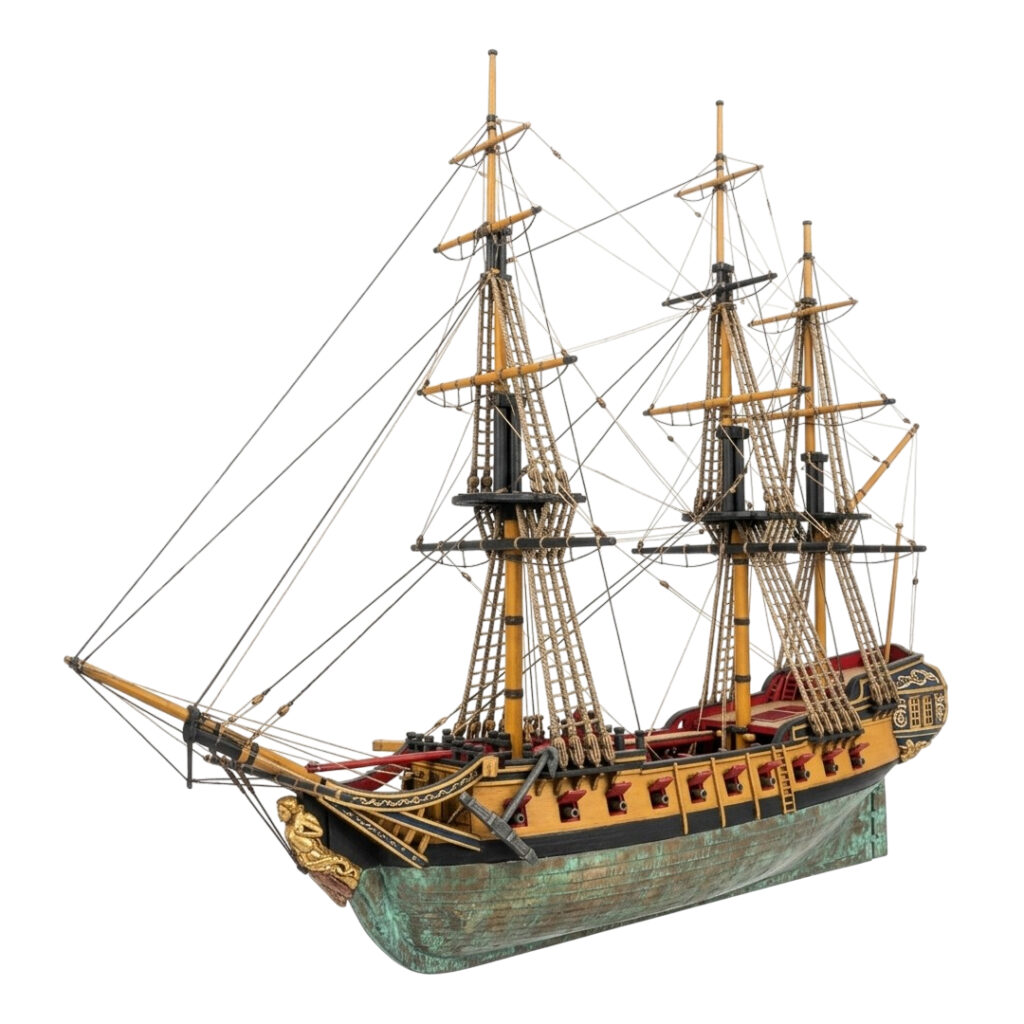
Concorde-class Frigate
Drakkar Longship — Historic
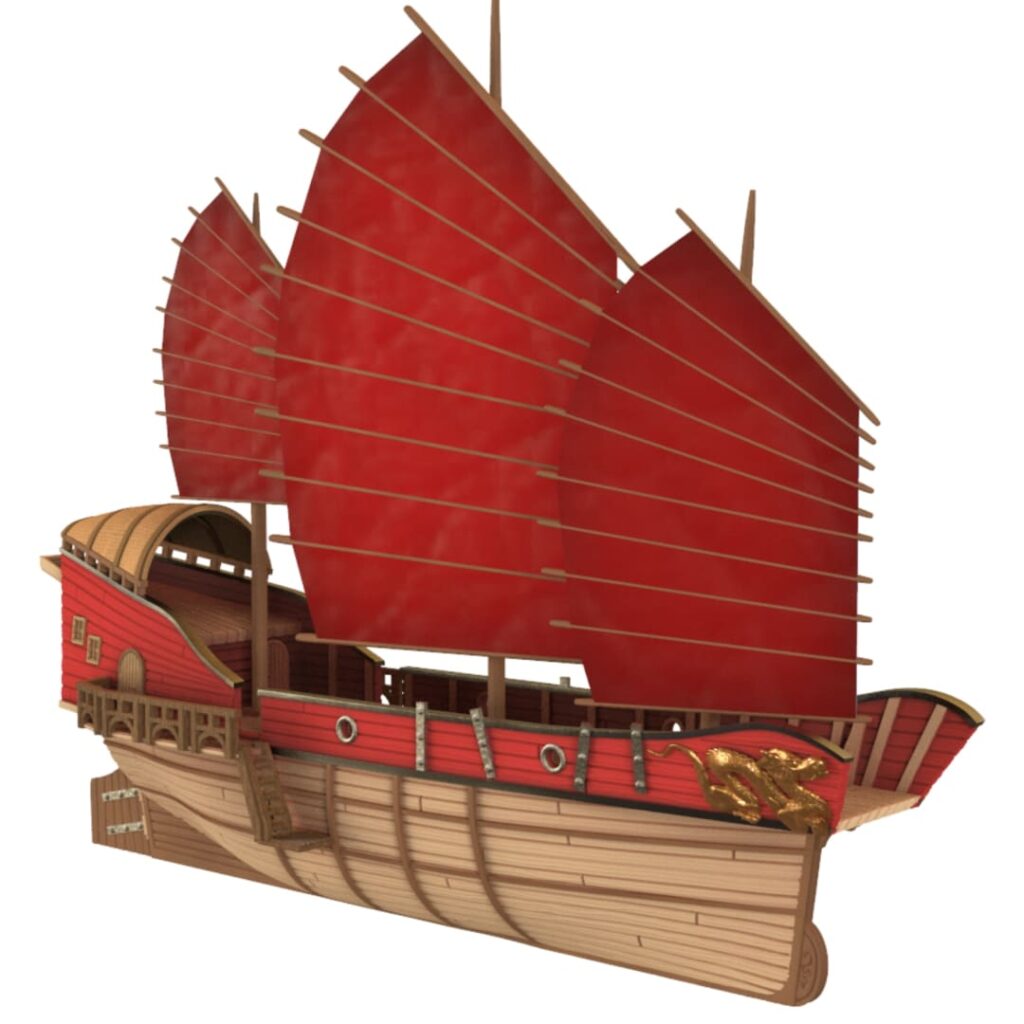
Junk Ship
Merchant Cog
Nippon Saga
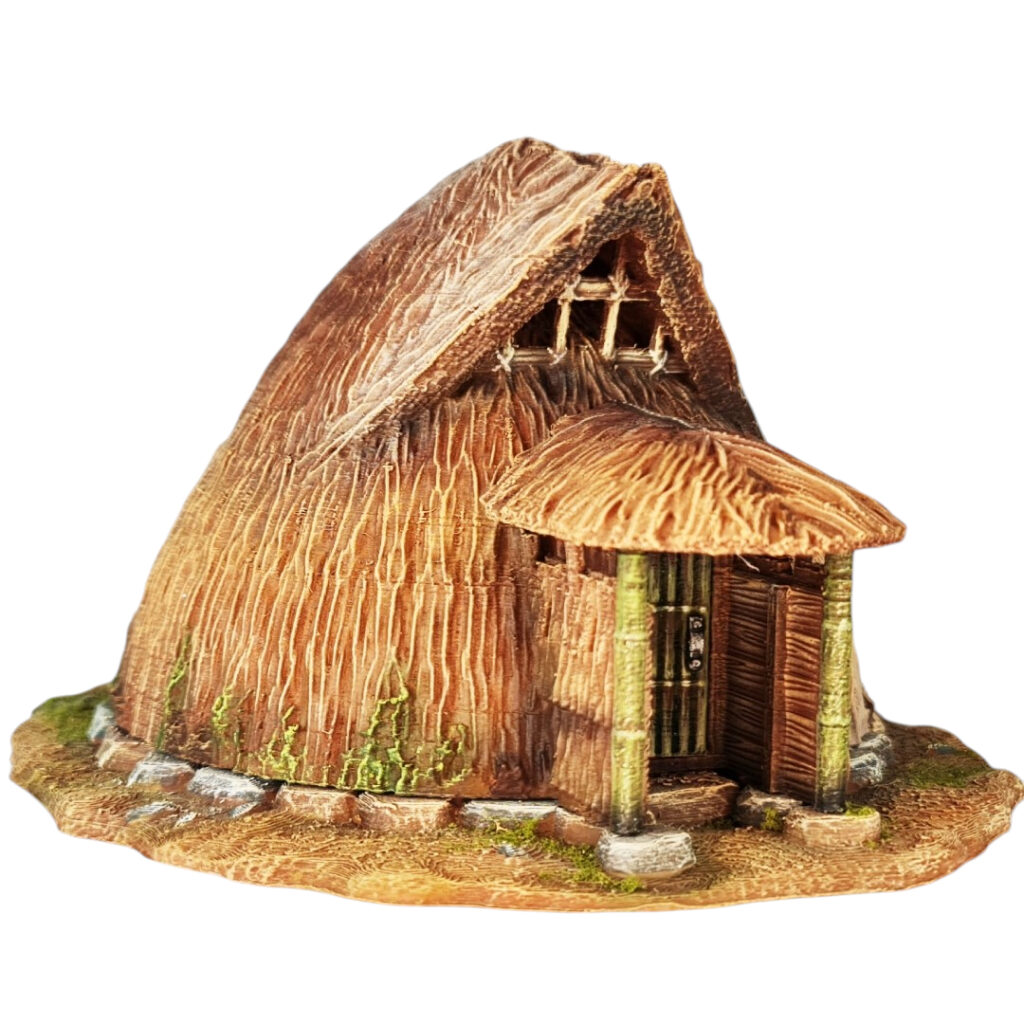
Koyane-Minka
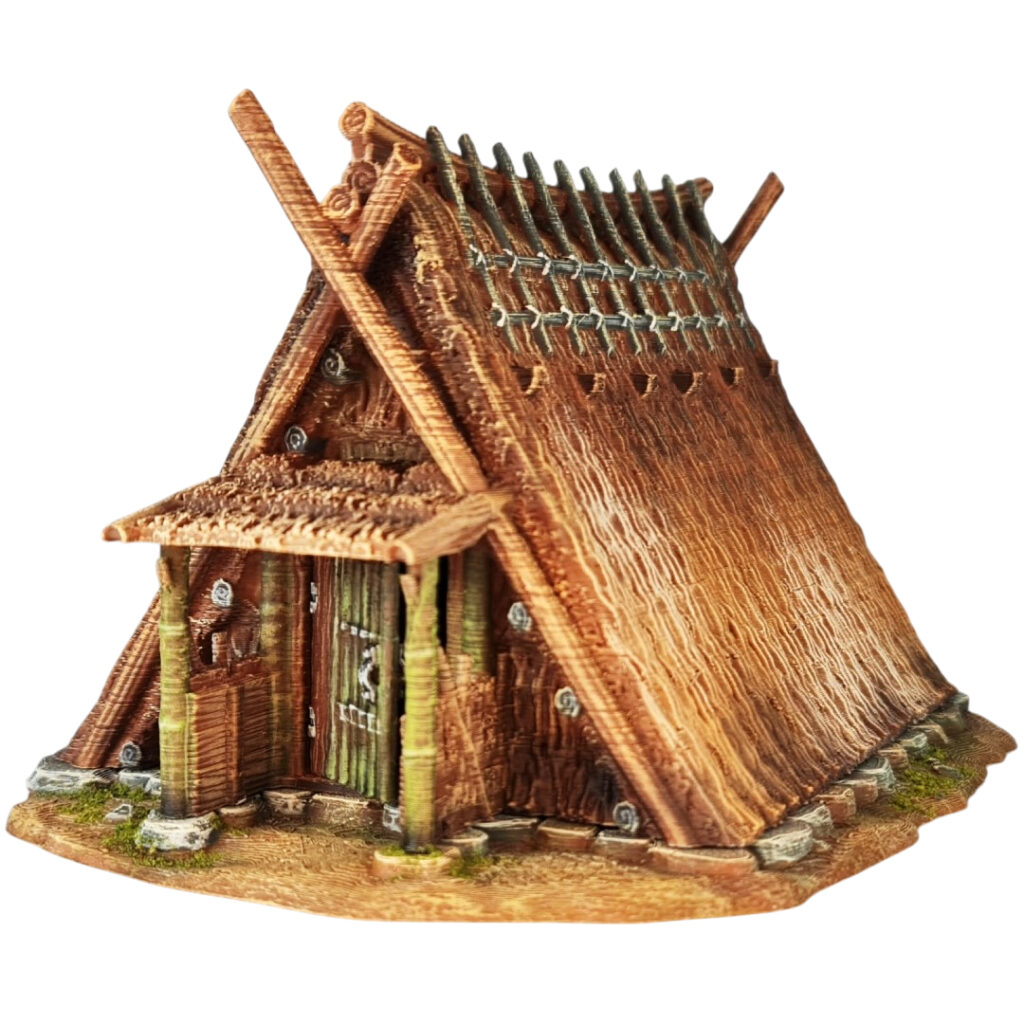
Chigi-Minka
Kabuto-Minka
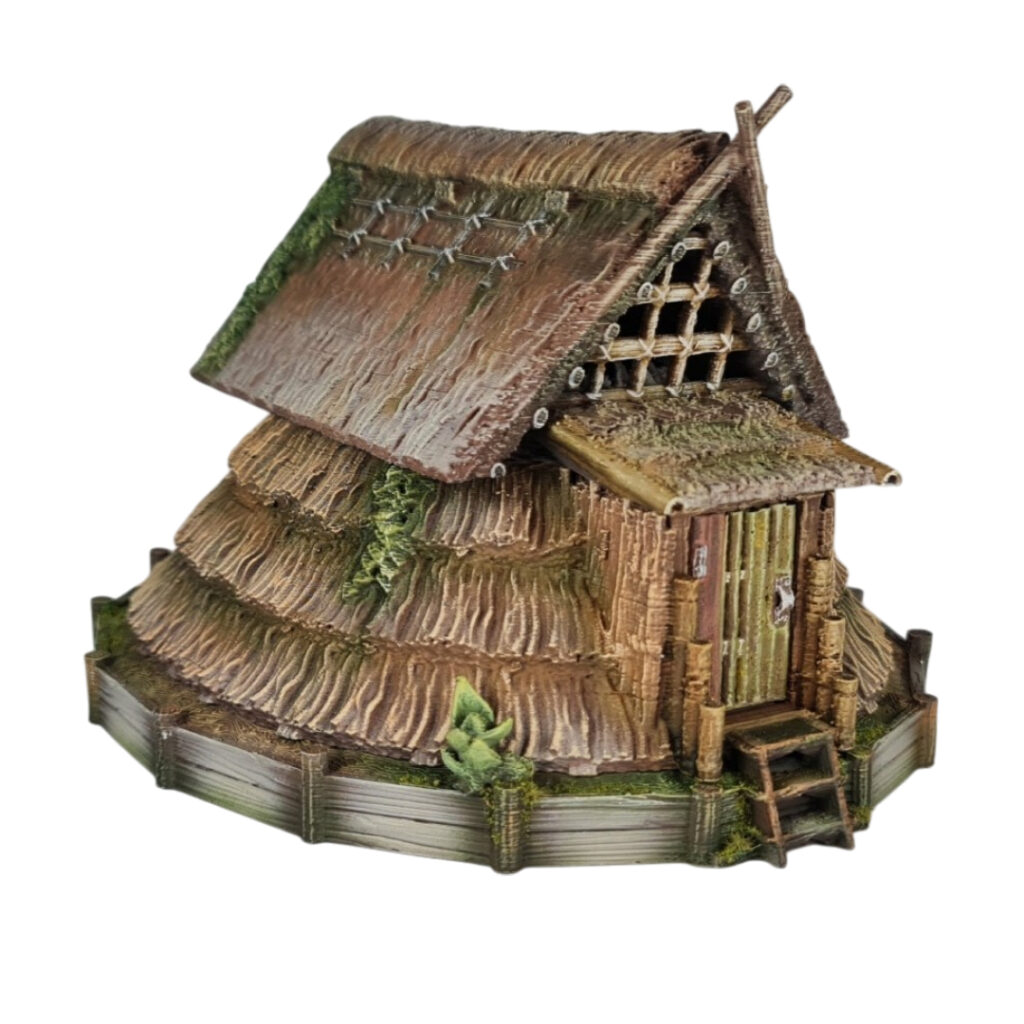
Tateana-Minka
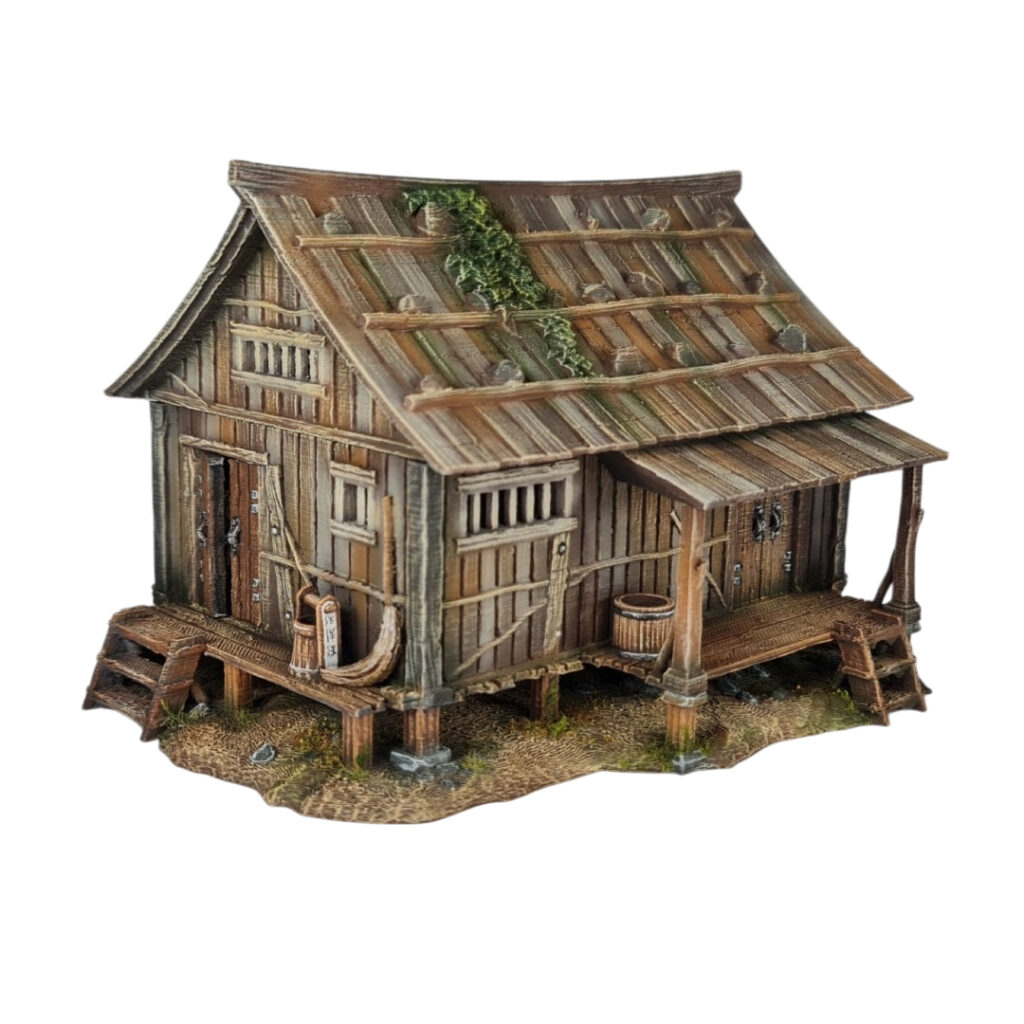
Ishioki-Minka
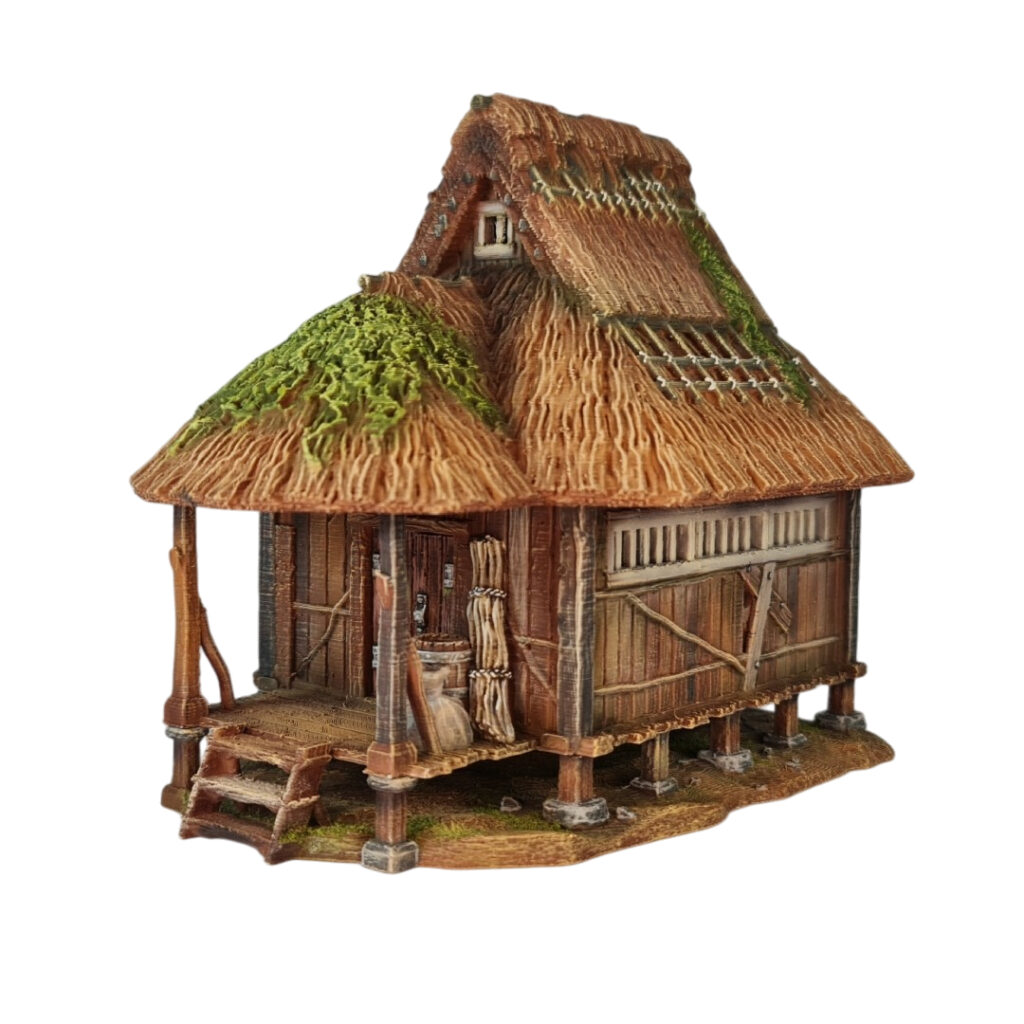
Gassho-Minka
Wargame Miniatures
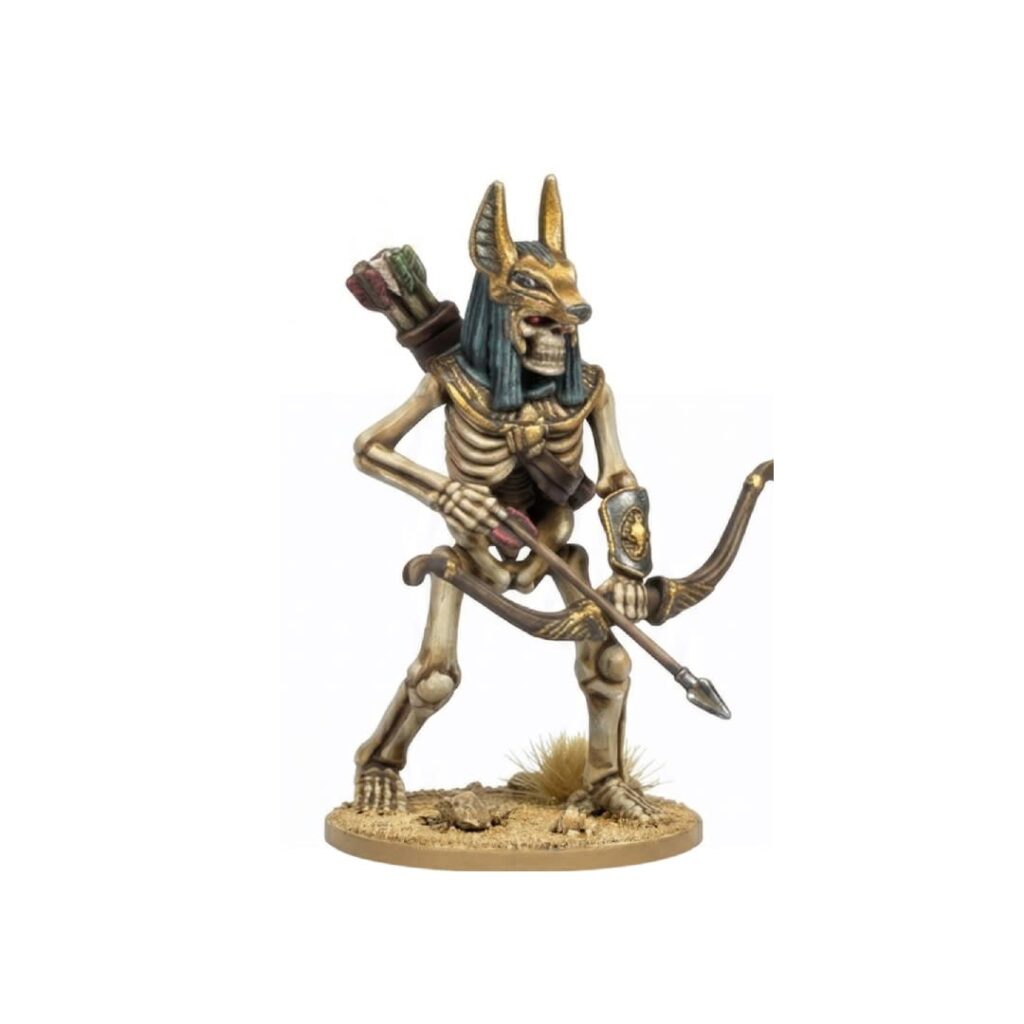
Undead Archers — Set of 4
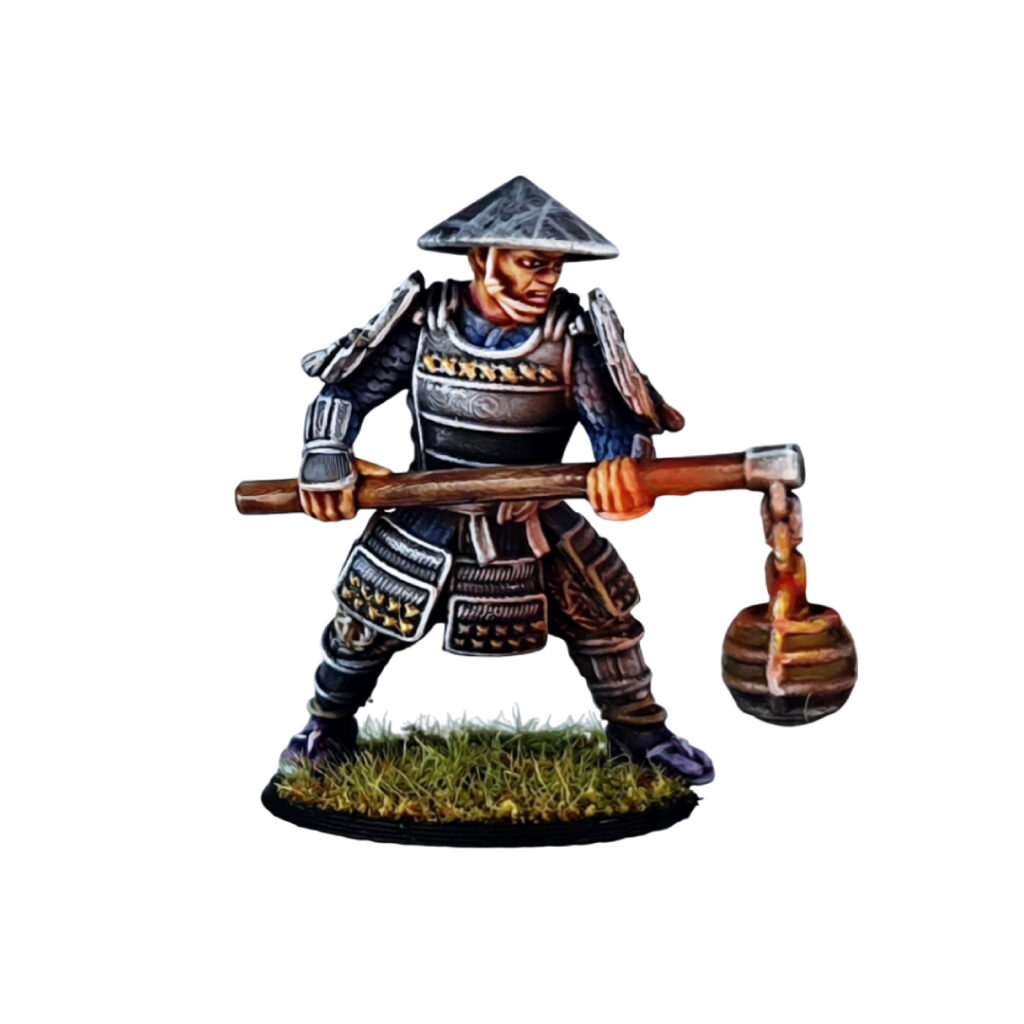
Taiho Artillery Crew — Set of 6
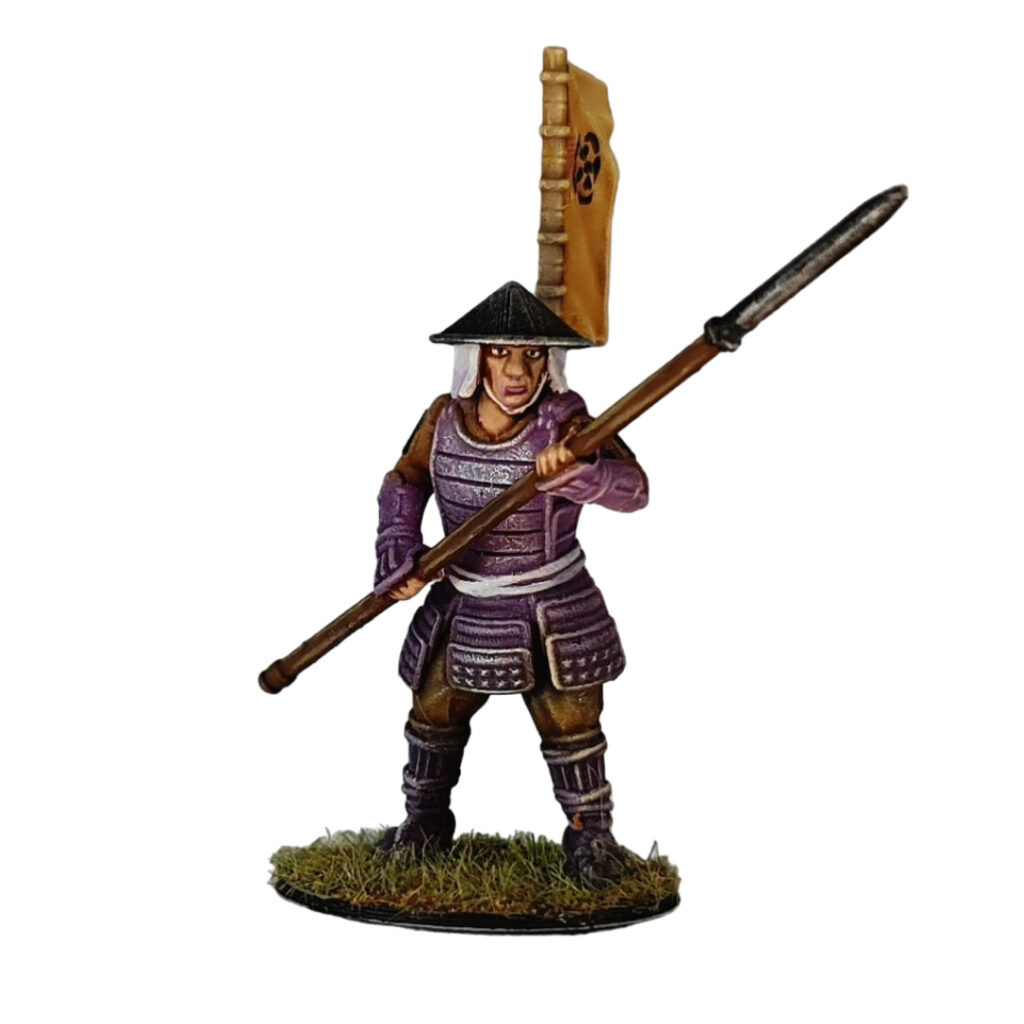
Ashigaru Yari Spearman — Set of 5
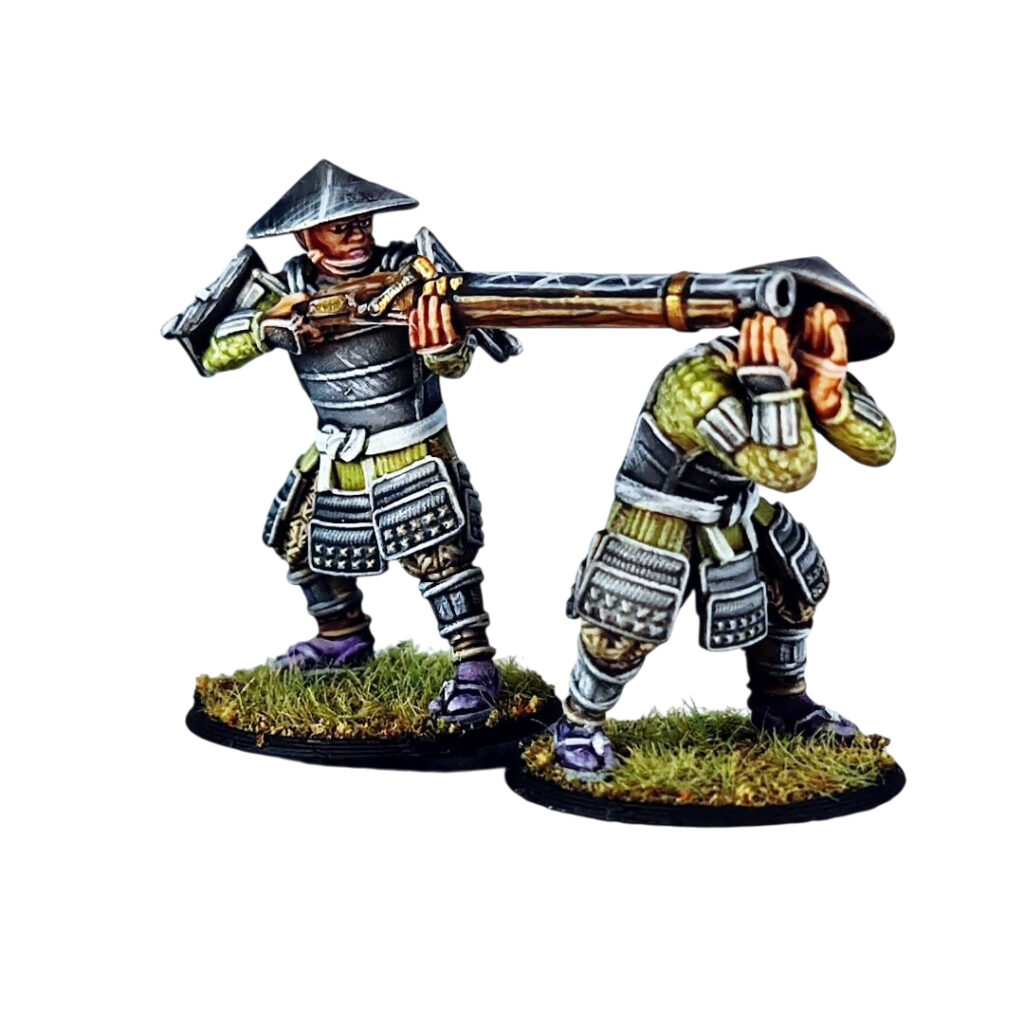
Ozutsu Hand Cannon Team — Set of 2
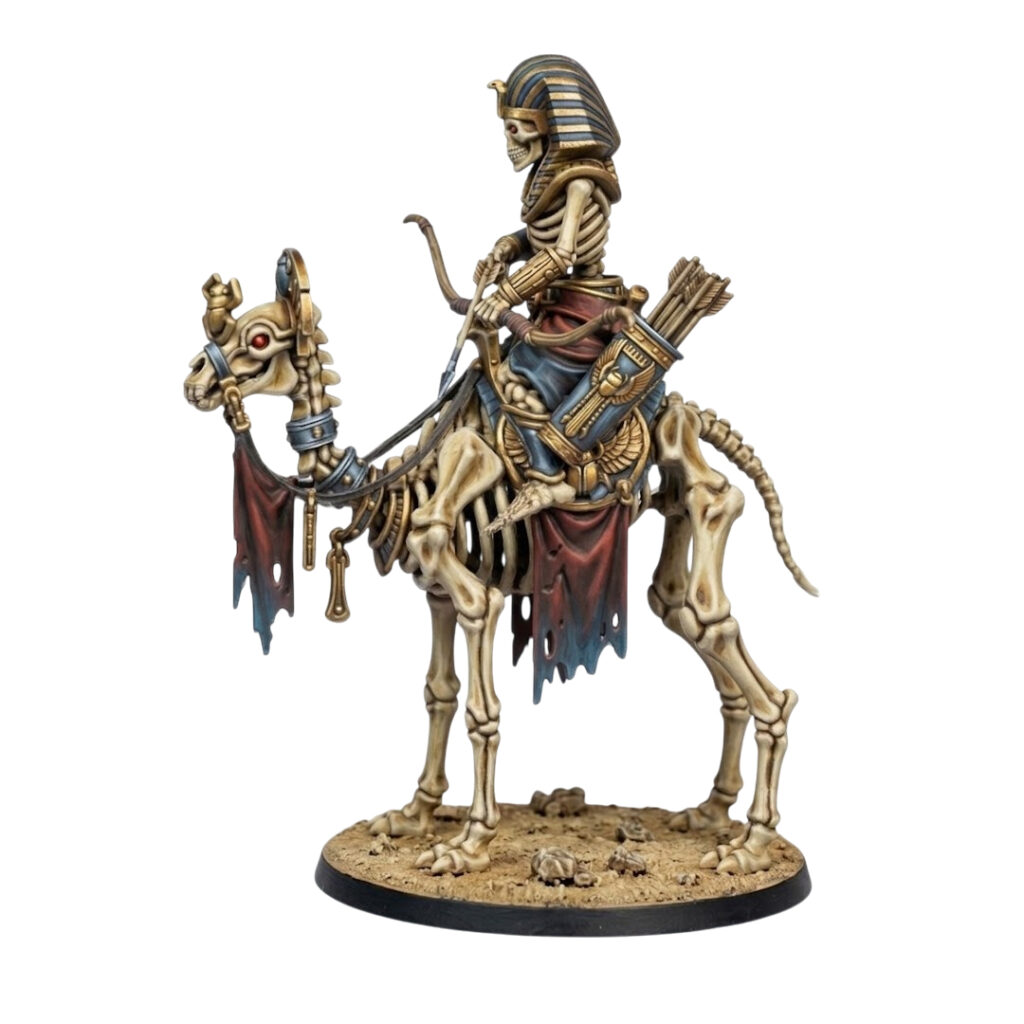
Undead Camel Cavalry — Set of 7
Wargame Terrain
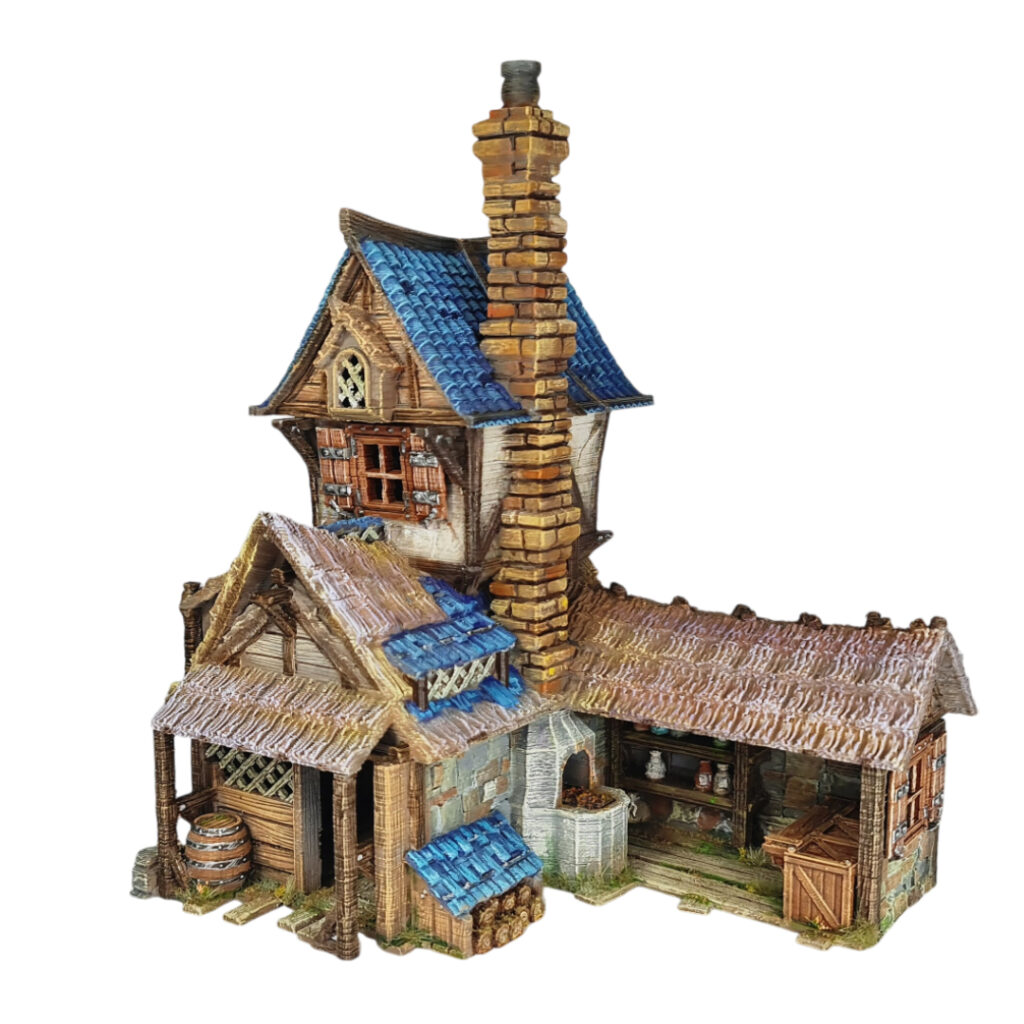
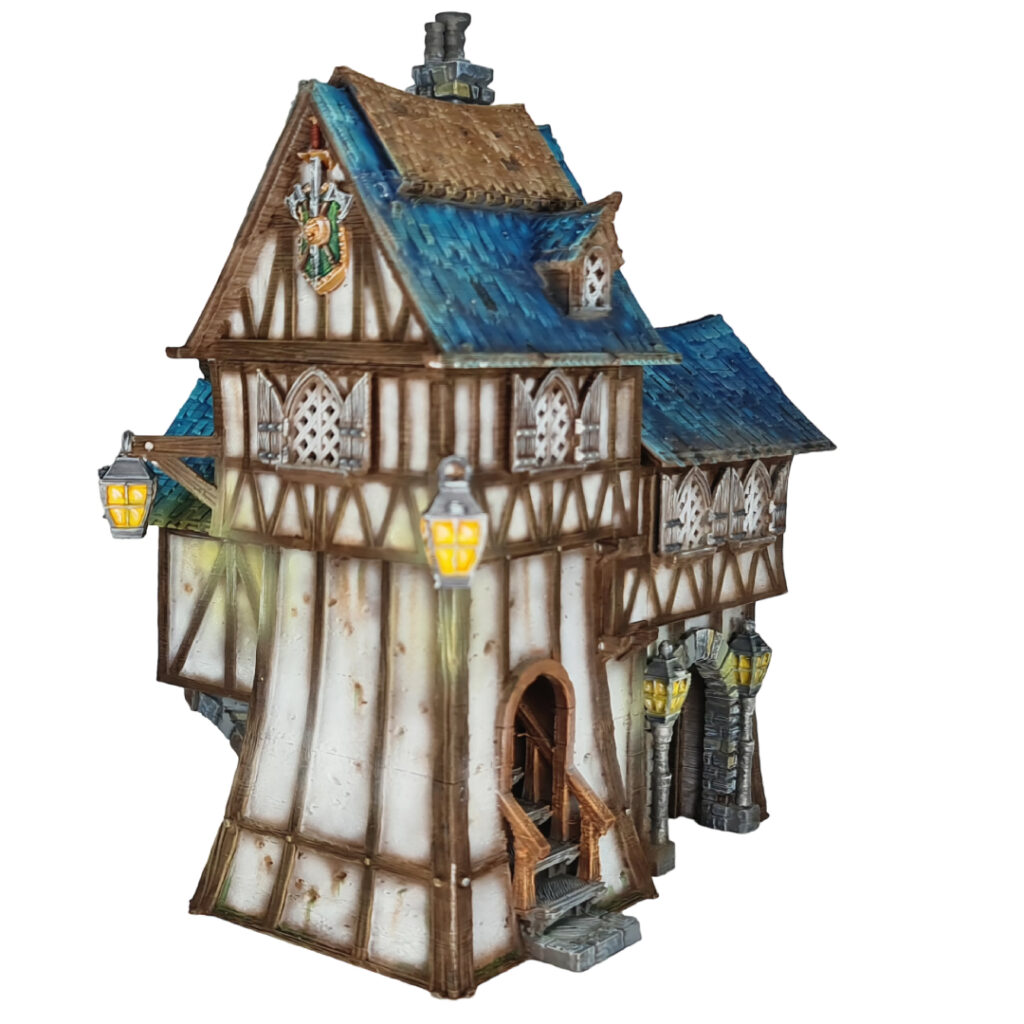
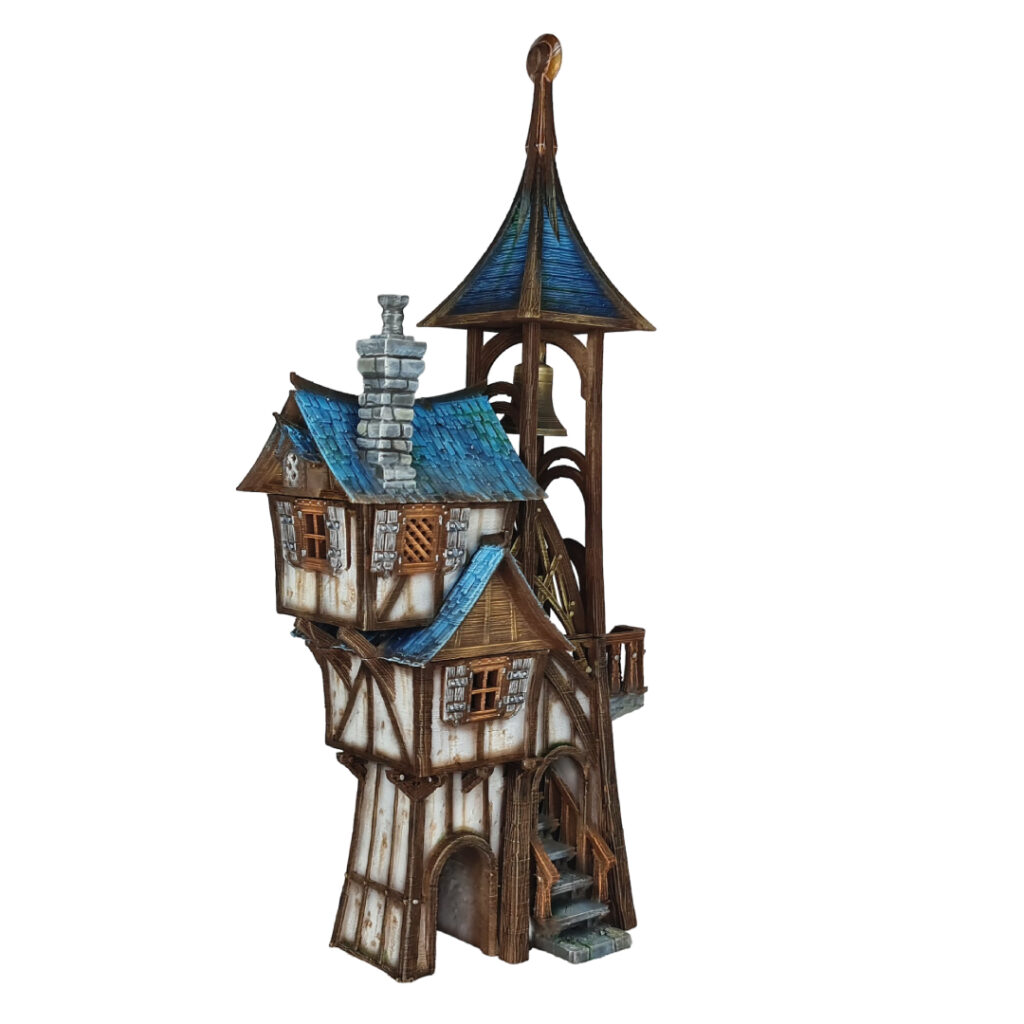
Most terrain fights you before the first layer. Ours doesn’t.
FDM for big, durable architecture; pre-supported resin for museum-grade miniatures. Every file is engineered to print clean, then test-printed across real machines until it works 100% of the time.
Support-free by design
Clever geometry and internal bridging mean no scaffolding to cut and no scars left behind.
Pre-supported resin
Minis arrive print-ready — supports hand-placed and oriented to protect faces and fine detail.
Battle-tested & updated
Models are refined over time from community feedback and tested for bed adhesion and flow.

New releases, print tips and early Kickstarter access.
Drop your email for fresh designs and the occasional free model. No spam — just terrain.